Table of contents
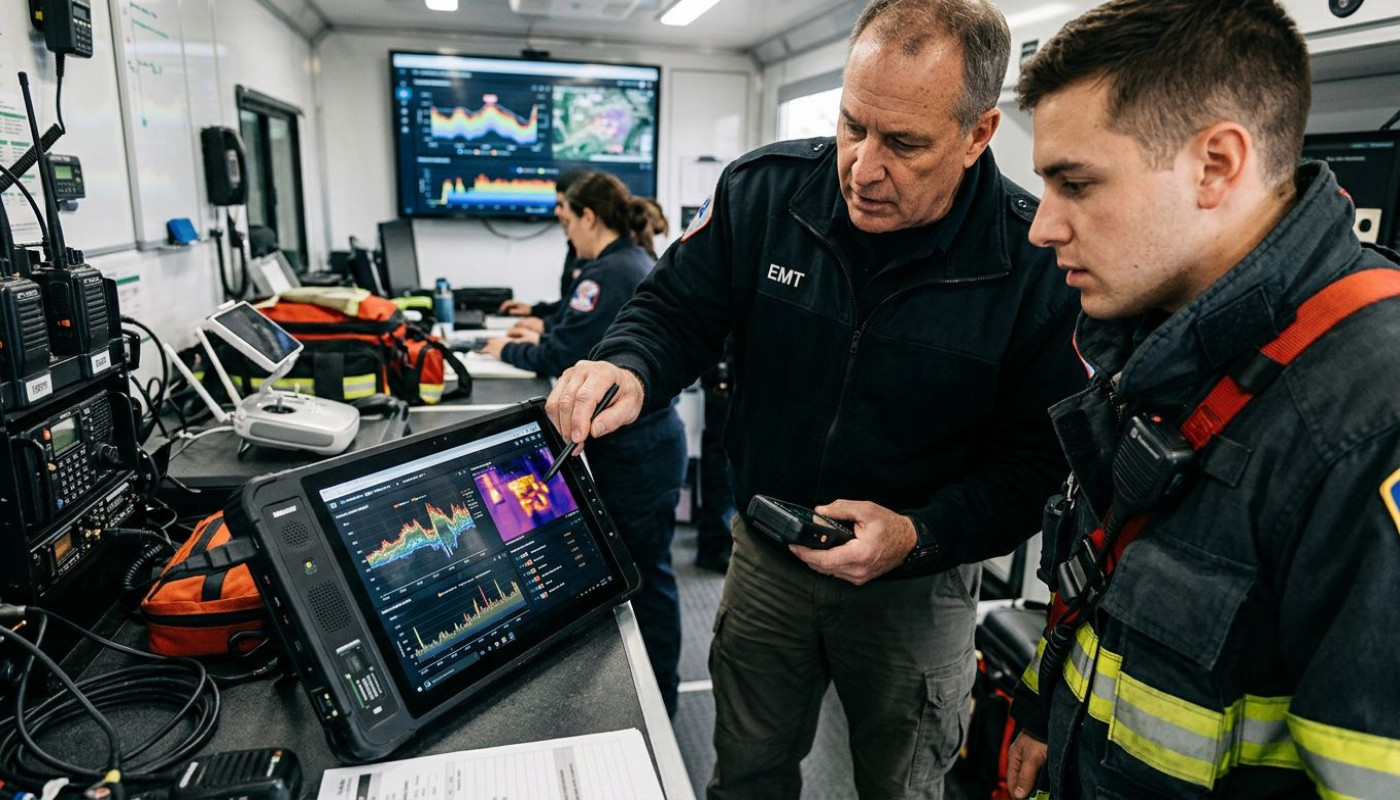
The rapid advancement of technology has transformed nearly every aspect of modern life, and emergency response is no exception. As new tools and systems emerge, the way emergencies are managed continues to evolve, leading to faster and more effective responses in critical situations. Explore the dynamic journey of emergency response technology and discover how these innovations are reshaping the future of public safety.
Early warning systems
Early warning systems have transformed emergency management by greatly improving the ability to detect and respond to threats before they escalate. Advances in data analysis and networked technologies have led to the integration of diverse information sources, enabling sophisticated threat detection that was once unimaginable. These systems harness satellite imagery, sensor networks, and algorithmic modeling to deliver real-time alerts with unprecedented accuracy. As a result, emergency management agencies now benefit from enhanced situational awareness, empowering decision-makers to mobilize resources and communicate with at-risk populations more effectively. The continuous development of global communication networks ensures that early warning signals reach even remote communities, minimizing delays and improving the chances of coordinated, life-saving interventions. This evolution underscores the growing synergy between technology and human expertise in anticipating and mitigating emergencies around the world.
Communication breakthroughs
The trajectory of emergency communication has shifted dramatically, beginning with basic analog radio systems and advancing into highly sophisticated digital networks. Initially, first responders depended on separate radio frequencies for individual agencies, which often hampered effective crisis coordination. The emergence of interoperable platforms has bridged these gaps, allowing multiple agencies to seamlessly exchange information in real time. Digital networks not only increase the reliability and speed of critical messages but also introduce robust features like encrypted transmissions and broadband data capabilities. These advancements empower first responders to share vital situational awareness assets, such as live video, mapping, and medical data, ensuring that every agency involved in emergency scenarios can collaborate efficiently. As a result, interoperability now stands at the core of modern public safety strategies, fundamentally enhancing the capacity of teams to manage complex incidents.
Role of artificial intelligence
Artificial intelligence, powered by advanced machine learning algorithms, is reshaping emergency response by enabling faster, smarter decision-making. Through predictive analytics, these algorithms can analyze historical and real-time data to anticipate incidents such as natural disasters, traffic collisions, or medical emergencies. This allows agencies to pre-position resources, adjust staffing, and optimize evacuation routes based on data-driven forecasts. As a result, resource allocation becomes more precise, minimizing waste and ensuring that critical assets reach the right place at the right time. Integrating artificial intelligence into emergency response platforms not only heightens operational efficiency but also empowers responders to act decisively in rapidly evolving situations. The synergy between machine learning and emergency management is setting new standards for safety and resilience, transforming how communities prepare for and recover from crises.
Wearable tech and sensors
Wearable technology and sensor networks have revolutionized the landscape of emergency response, offering emergency personnel a suite of advanced tools to maximize both safety and operational effectiveness. The widespread adoption of devices equipped with biometric sensors allows for continuous health monitoring, delivering real-time insights into vital signs and physical status. This capability not only enables rapid detection of fatigue, stress, or injury but also facilitates proactive intervention, reducing risks during high-pressure scenarios.
Location tracking now plays a pivotal role in coordinating teams and optimizing search-and-rescue missions. With precise geolocation features, commanders can monitor the exact positions of responders on complex sites, enhancing situational control while minimizing response times. Simultaneously, environmental sensing integrated into wearable gear helps detect hazardous gases, temperature extremes, and structural integrity issues, arming emergency personnel with actionable data to make informed decisions on-site. The synergy between wearable technology, advanced sensor networks, and biometric sensors represents a significant leap in emergency preparedness.
As these technologies continue to evolve, their implementation extends beyond traditional emergency settings. For example, platforms developed for fire services can also serve other critical infrastructures, such as those found in the gaming industry where safety compliance is paramount. The use of biometric sensors in remote monitoring is not limited to field response; similar frameworks have been adapted for security and safety at UK casinos not on GAMSTOP, supporting a safer environment for staff and patrons. Such cross-industry applications highlight the far-reaching benefits of wearable technology and sensor networks in diverse operational landscapes.
Future trends in emergency response
Future trends in emergency response are poised to revolutionize the integrated response ecosystem through the adoption of advanced technologies like drone technology, augmented reality, and next-generation networks. Drone technology is increasingly recognized for its potential to provide rapid situational awareness, real-time mapping, and delivery of supplies in hazardous zones, enabling responders to assess and manage incidents with unprecedented speed and accuracy. Augmented reality, when integrated into the field, can overlay crucial information onto responders' visual fields, offering step-by-step guidance, hazard identification, or triage support, all while keeping hands free for lifesaving actions. Next-generation networks, including 5G and beyond, promise ultra-reliable, low-latency communication, essential for coordinating complex multi-agency operations and supporting bandwidth-intensive tools such as live video feeds or IoT sensor data streams.
As the integrated response ecosystem evolves, these innovations are expected to shape a future where emergency response is more proactive, data-driven, and collaborative. Drone technology could soon enable autonomous search and rescue missions, while augmented reality applications may facilitate remote guidance from off-site experts, enhancing decision-making during critical incidents. Next-generation networks are likely to support seamless connectivity for all actors in the field, allowing for synchronized action and rapid dissemination of intelligence to all relevant stakeholders. These advances hold the promise of not only improving the speed and effectiveness of operations but also increasing overall public safety and resilience in the face of both traditional and emerging threats.
Similar

Exploring The Benefits Of Regional Networking For Professionals

How Ethical Data Use Shapes Online Gaming Strategies?

How Does A White Label Casino Platform Enhance Your Gaming Experience?

How To Efficiently Manage Your Deposits And Withdrawals

How To Spot And Avoid Common Online Entertainment Scams?

Exploring The Thrills Of A Chicken Road-Crossing Casino Game

Exploring The Latest Trends In Sustainable And Stylish Living

Exploring The Rise Of Animal-themed Slots In Online Casinos

How Language Diversity In Gambling Sites Enhances User Experience

How To Choose The Best Online Gaming Services Available On Messaging Apps

A Comprehensive Guide To Withdrawal Methods In Online Casinos

Exploring The Evolution Of Airplane-Based Multiplier Games

Exploring The Thrills Of Online Casinos: Games, Bonuses, And Secure Payments

Exploring The Origins And Evolution Of The Plinko Game

Understanding The Security Measures In Online Gambling Platforms

Exploring Strategies For Winning Big In Online Chicken-themed Casino Games

Effective Strategies For Mastering Multiplier Features In Online Casino Games

Exploring The World Of Greek Mythology In Online Slots

Exploring The Benefits Of Integrated Entertainment Platforms For Enhanced User Experience

Exploring The Impact Of RTP And Volatility On Online Slot Performance

Ensuring Safety And Fairness When Gambling In Digital Casinos

Understanding Wagering Requirements In Online Bonuses

Exploring The Benefits Of Low Deposit Casinos For New Players

Exploring The Thrills Of Online Social Casinos: A Guide To Free-to-Play Interactive Games And Community Engagement
